Getting a Prescription Without an In-Person Dermatology Visit
Remote dermatology can prescribe common skin treatments without an office visit.

Getting a dermatology prescription without an in-person visit is well-established and often a practical first step for common skin conditions. In AI-assisted teledermatology with mandatory clinician sign-off, technology helps with intake and screening, and a licensed dermatologist must review and approve every care plan before any prescription is sent. Understanding that division of work, and what remote care can and cannot resolve, helps patients use it confidently.
Why getting a dermatology prescription without an in-person visit is now the practical first step for most people
It can take weeks to get a dermatology appointment, and many areas have too few specialists. Those gaps fall hardest on rural patients, low-income patients, and underrepresented minorities. Skin conditions are primarily visual, so photographs and a medical history can give a clinician the information needed for many first-line treatment decisions.
A 2026 LMU University Hospital study found that a substantial majority of patients using store-and-forward teledermatology received prescriptions. In this model, patients send images and history for a clinician to review, so the patient and clinician do not need to meet at the same time. That makes teledermatology more than a workaround for a crowded waiting room. It is a well-matched tool for a visual specialty.
How store-and-forward teledermatology actually works from submission to prescription
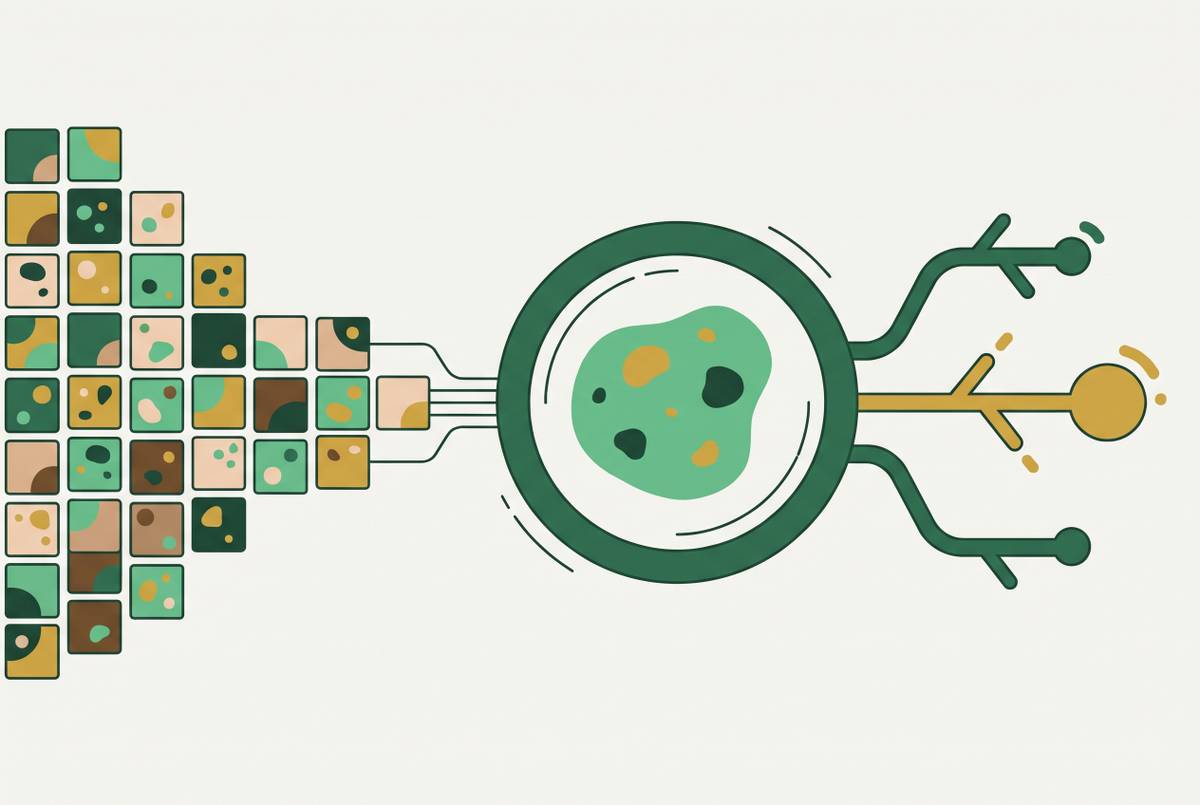
The process begins with the patient submitting high-resolution photographs of the affected area and completing a structured medical intake. The questions usually ask when symptoms began, what treatments the patient has already tried, what medications they take, and what in their medical history may matter. Questions about the specific condition ask for more detail, such as allergies, past reactions, or hormonal factors in acne. The photographs show what the skin looks like. The history helps explain how it reached that point.
What happens after the patient presses submit? In store-and-forward care, also called asynchronous care, a licensed clinician reviews the material on their own schedule. The clinician considers a differential diagnosis and develops a management plan. A prescription is one possible outcome.
The LMU study describes a hospital workflow in which a licensed physician or supervised resident reviewed each submission and proposed a plan. A supervising dermatologist reviewed that plan before it went back to the patient. Cases were reviewed and answered within roughly a day. That turnaround describes the institutional workflow in the study. It also shows that this approach extends beyond direct-to-consumer apps.
Some consultations combine photographs with a brief live video check. Many dermatologists consider this hybrid approach more accurate than photographs alone, though it is not a requirement for every straightforward case. The response gives the patient a care plan based on the clinician’s assessment. If a prescription is warranted, it is transmitted electronically to a pharmacy of the patient’s choice, without an in-person dermatology visit being required to fill it.
What teledermatology reliably prescribes and for which conditions
Acne is the clearest example of a condition suited to remote first-line treatment decisions. Photographs and history can support prescriptions for topical retinoids, including tretinoin, adapalene, tazarotene, and trifarotene, as well as topical antibiotics, benzoyl peroxide combinations, and fixed-dose combination products. Treatment is not limited to creams and gels. Moderate inflammatory acne may be treated with oral antibiotics such as doxycycline or minocycline. Spironolactone is also frequently prescribed for adult women with hormonal acne patterns.
Isotretinoin is the notable exception because it requires iPLEDGE compliance and baseline bloodwork done in person. A photograph cannot satisfy those requirements. The distinction is between a condition that can often be assessed remotely and a particular treatment that needs additional safeguards.
Rosacea is another common fit for remote prescribing. Low-dose doxycycline is the only FDA-approved oral treatment for papulopustular rosacea and is accessible through teledermatology. Azelaic acid, approved for both rosacea and acne, is another common prescription supported by randomized trial evidence. Retinoids are sometimes used off-label for rosacea, with evidence of favorable tolerability. Their use has a different status here than in acne treatment.
Remote care also extends beyond the first diagnosis. Store-and-forward teledermatology has been used successfully for post-Mohs surgery wound checks, allowing photographs to support ongoing management. Skin cancer assessment has a narrower role. A remote review can flag a suspicious lesion and help establish the urgency of a referral, but biopsy and definitive diagnosis require in-person care.
Why image quality is the central variable patients control
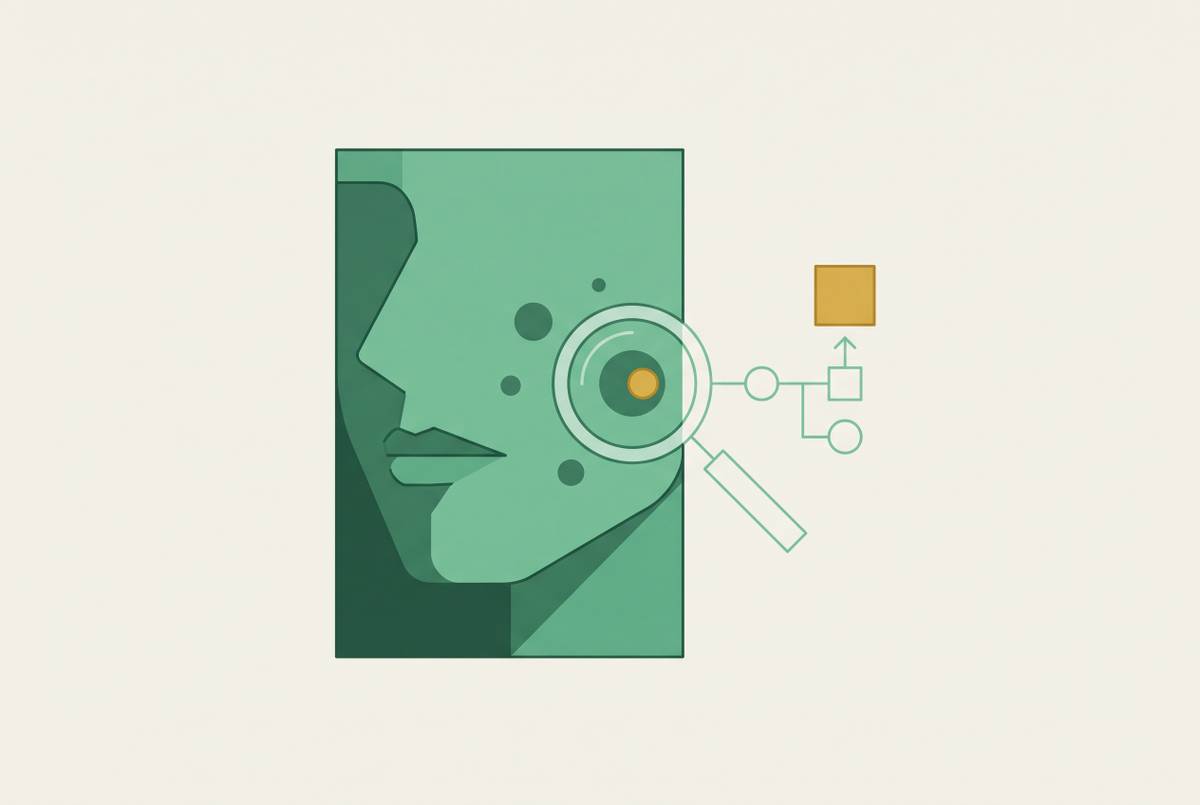
To make those decisions, the clinician relies heavily on what the photographs show. Image quality is the biggest variable the patient controls. Poor photographs can lead to requests for replacements, a delayed response, or an unnecessary referral for an in-person visit. They can also weaken the recommendation itself, because the clinician has less useful visual information than an examination would provide.
To give the clinician useful images, use natural or bright diffuse light and avoid flash glare, which can flatten texture and wash out color. Include a straight-on view, a close-up, and a contextual image showing the surrounding area. Each view serves a different purpose. Keep the images free of filters or editing, avoid using zoom, and move closer. A neutral background helps avoid a color cast on the skin, while a coin or ruler can provide scale for a lesion where possible.
Legit.Health and University of Deusto researchers identified poor image quality as a major unresolved challenge in work published at ICBRA’25. Their research looks at automated image quality assessment, which aims to catch poor images before they reach a clinician. Image quality limits both AI-assisted analysis and human review. Neither benefits from missing visual detail. For patients, the practical implication is straightforward, because the preparation of the photograph can influence the usefulness of the consultation.
How does AI-assisted teledermatology with mandatory clinician sign-off work?
AI can help organize submissions, flag image quality problems, identify patterns across large image sets, and prioritize cases for review. It can also support draft communication. In a mandatory clinician-sign-off model, a licensed dermatologist reviews and approves every care plan before it reaches the patient. AI findings inform that review but do not replace it.
What distinguishes that model from a service that merely mentions doctors and AI? The decisive criterion is where approval sits in the workflow. AI may assist with initial screening, but a dermatologist must review the case and approve treatment before a prescription is sent. That is different from offering human review only as an optional extra.
AI has shown that it can recognize patterns well in large dermatology image datasets, especially when used for skin cancer screening and to classify inflammatory conditions. But recognizing a visual pattern is not the whole clinical task. Errors cluster in cases that require clinical findings to be integrated with histopathological and microbiological data. Those complex or atypical cases are precisely where a licensed clinician’s judgment is most important.
Dermatology AI datasets have historically underrepresented skin of color, affecting performance in those populations. Human review is a non-negotiable safeguard against that gap in a model where technology supports doctors.
Regulation also draws boundaries around diagnostic tools. High-risk AI systems used to make diagnostic decisions must have human oversight. In March 2026, the FDA reclassified optical diagnostic devices for melanoma detection from class III to class II with special controls. That change applies to tools used by trained physicians. It should not be read as blanket approval for AI to prescribe dermatology treatment on its own.
What reimbursement and state rules mean for what patients actually pay
A service can be clinically appropriate without being covered by a patient’s insurance. Store-and-forward reimbursement is inconsistent and depends partly on state rules. Some states include it in their telehealth definitions, while others require care to occur “in real time,” excluding asynchronous consultations from that definition. Others reimburse it separately as communication technology-based services.
CCHP’s state policy tracker documents these differences and is a useful starting point for patients looking up their state. The tracker is continuously updated, with individual state entries updated as recently as October 2026. State policy is only part of the answer. A patient’s coverage also depends on the applicable Medicaid rules or the private insurer’s telehealth policy. A plan that says it covers telehealth may still leave store-and-forward care out of its coverage.
CCHP’s federal policy page says Medicare’s standard store-and-forward coverage is limited to federal telemedicine demonstration programs in Alaska and Hawaii. The Consolidated Appropriations Act, 2026 extended expanded telehealth provisions through December 31, 2027. Those broader flexibilities should not be confused with unrestricted coverage for asynchronous dermatology.
For patients who pay directly, teledermatology visits usually cost much less than urgent care or a traditional specialist visit. Before submitting a consultation, patients should confirm whether their insurer covers asynchronous telehealth. They should also check whether a prescription issued through the service will be covered under their pharmacy benefit and what the consultation costs if insurance does not apply. The visit and the medicine are separate payment questions.
How to use a teledermatology consultation well — what to submit, what to expect, and when to go in person instead
To put the process to good use, pair clear photographs with a clear account of the symptoms. Explain when the problem started, what makes it better or worse, and what has already been tried. Include a complete medication list and answer screening questions honestly. Those details shape the decision as much as the images do. A photograph records an appearance, while the narrative gives the clinician the course of the problem.
The response should be a licensed clinician’s care plan. It should include a prescription when warranted, or an explanation of why one is not, together with instructions on follow-up. An expected improvement timeline is also part of useful guidance. Topical retinoids and antibiotics usually take six to eight weeks to show real change.
For common concerns such as acne, rosacea, mild eczema, suspected fungal infections, or prescription renewal for a stable condition, remote review can be an appropriate first step. Lesions that change or spread quickly may need a same-day biopsy and should be assessed in person. Excision, cryotherapy, and patch testing also require attendance, as does the bloodwork needed to initiate isotretinoin. If either the patient or the clinician is uncertain that a photograph is sufficient, an in-person assessment is the appropriate next step.
Patients who understand why photographs and history are requested are better positioned to describe symptoms clearly and understand the resulting plan. They can also recognize when follow-up or escalation is appropriate rather than treating the prescription as the end of care. Understanding the process is itself part of better care.
Sources
- States that Reimburse for Telehealth Store-and-Forward - CCHP
- Evaluating the impact of store‐and‐forward teledermatology in a German university hospital setting - Pumnea - JDDG: Journal der Deutschen Dermatologischen Gesellschaft - Wiley Online Library
- Enhanced Dermatology Image Quality Assessment via Cross-Domain Training
- Store-and-Forward Teledermatology for Assessing Skin Cancer in 2023: Literature Review
- Store-and-Forward Teledermatology Wound Checks Following Mohs Surgery: A Pilot Study
- Parity Requirements for Private Payer Telehealth Services - CCHP
- State Telehealth Laws and Reimbursement Policies Report, Fall 2025 - CCHP
- Store-and-Forward Images in Teledermatology: Narrative Literature Review